
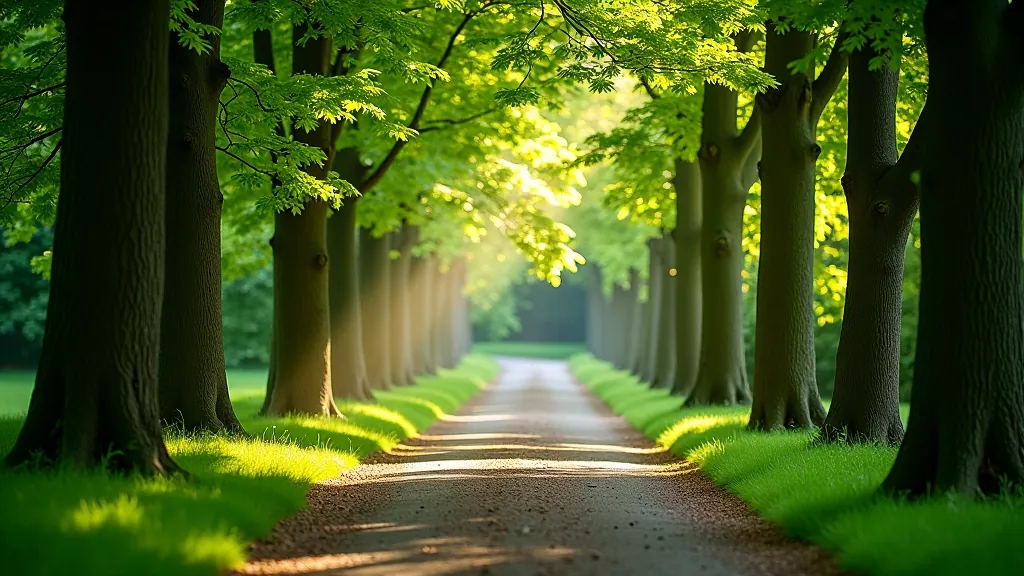
Fota Arboretum Main Loop Walking Route
A gentle 2.5km circular route through Fota's best-loved tree collections. Mostly level walking with plenty of benches.
Plan your visits around the best seasons. Spring magnolias, summer perennials, autumn colors, and winter structure. We've mapped out when each section looks its best.
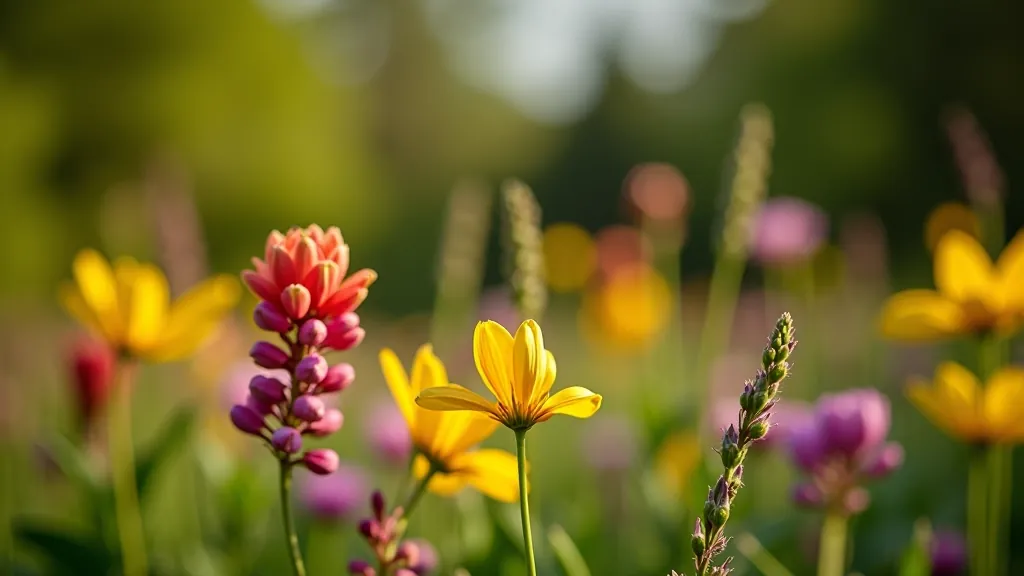
Fota Island isn't the same garden twice. Each season transforms the 70-acre estate into something entirely different. Spring brings a rush of color you won't believe—magnolias, cherry blossoms, and early rhododendrons all competing for attention. Summer settles into lush greens and reliable perennials. Autumn gives you that dramatic shift in palette. Winter? It's quieter, but honestly, that's when the garden structure really shows itself.
We've spent the better part of a year walking Fota across all four seasons, noting when things peak, what's worth seeing in each month, and which routes work best depending on the weather. This guide gives you the real story—not just "spring is nice" but actual timing details that help you plan a visit that matches what you're looking for.
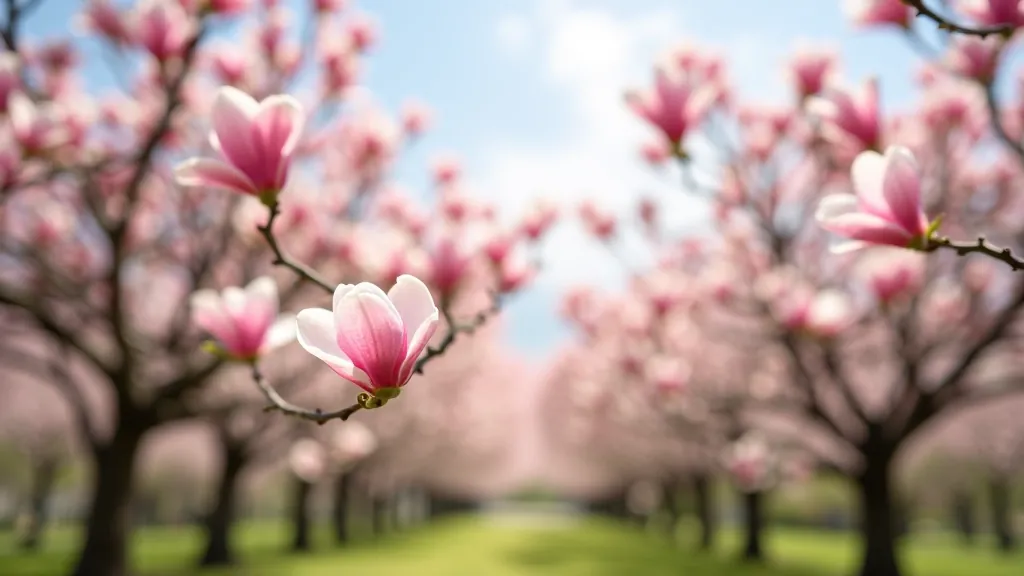
If you're only visiting Fota once, make it spring. The magnolia collection is world-class—and we're not exaggerating. Mid-March through April, you'll see pink magnolias, white magnolias, and varieties most people didn't even know existed. The rhododendrons start kicking in around late April. Japanese maples are unfurling. Early bulbs have already done their thing, but there's still color everywhere.
The Main Loop is absolutely worth doing in spring because you're constantly finding new pockets of bloom. The Arboretum section—that's your best bet for the most concentrated displays. Plan for late morning walks when the light's good but it's not scorching yet. Mornings can still be cool, so bring a layer.
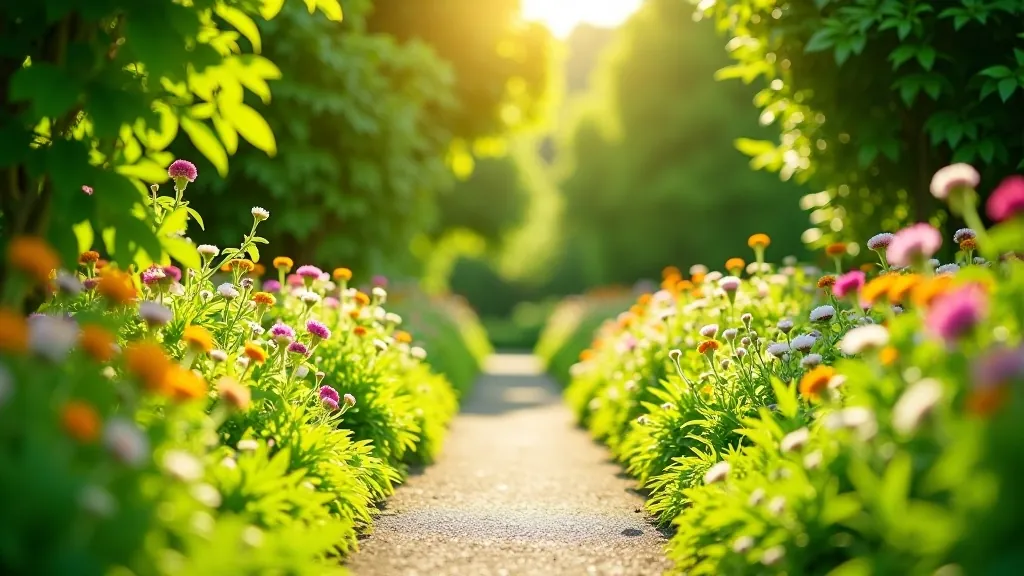
Summer at Fota is all about consistency. You won't get the jaw-dropping drama of spring, but you'll get a garden that looks intentional, well-maintained, and genuinely beautiful. The perennial beds are full. Hydrangeas are doing their thing—and Fota has serious hydrangea collections. The walled gardens come alive with tender plants that need warmth.
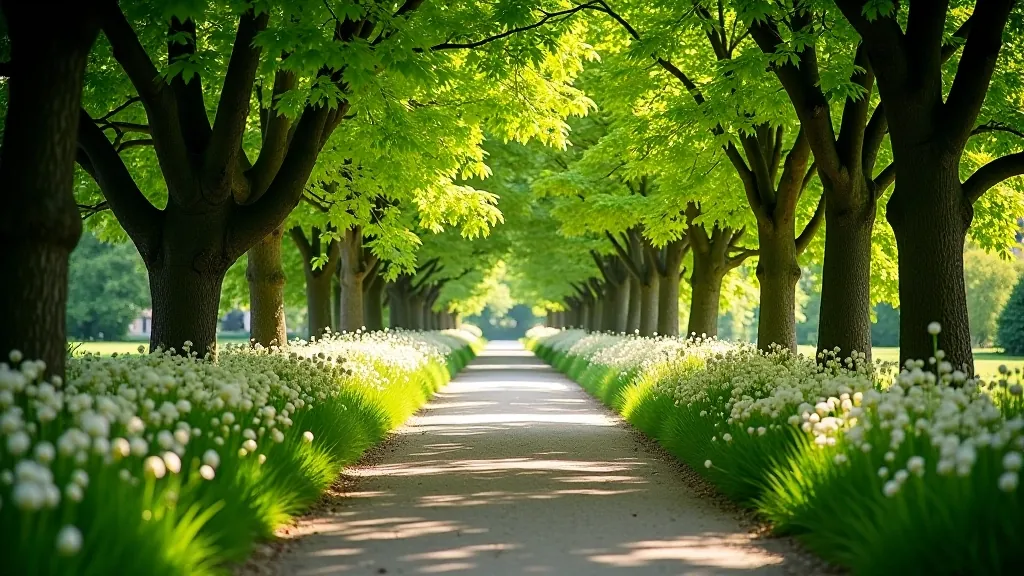
Mornings are your friend in July and August. By 2 p.m., it's warm enough that a slower pace makes sense. The good news? The tree canopy provides plenty of shade on the Main Loop, so even hot days are manageable. Bring water. The Arboretum section stays cooler because of all that tree cover.
This guide is based on typical seasonal patterns at Fota Island. Bloom times, weather conditions, and facility availability vary year to year and are affected by temperature, rainfall, and seasonal shifts. Always check Fota's official website or contact them directly before planning your visit to confirm opening hours, any seasonal closures, and current conditions. We recommend visiting during daylight hours and bringing weather-appropriate clothing regardless of season.
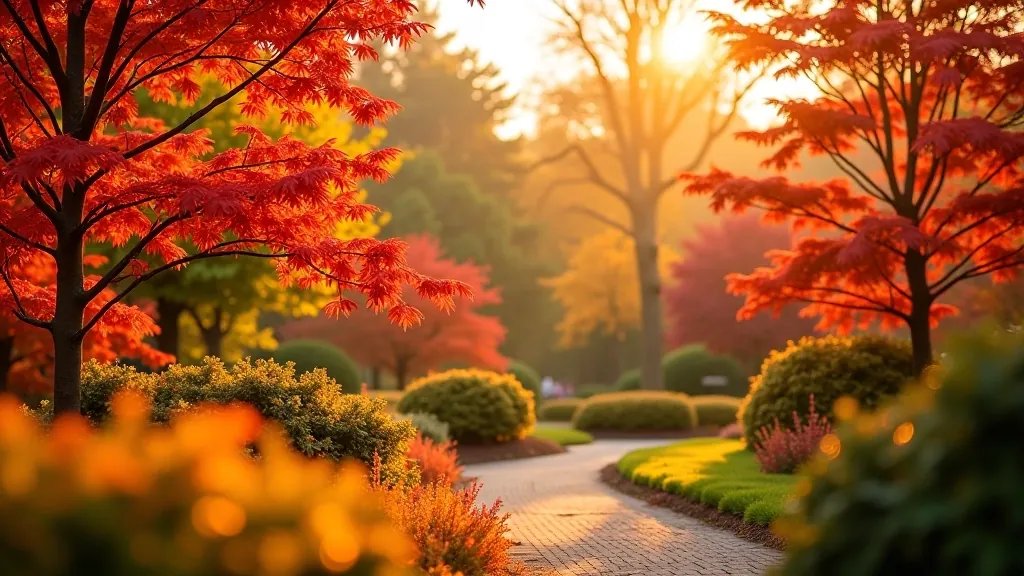
September is still warm and pleasant. October is when things get genuinely spectacular. The Japanese maples turn first—reds and oranges that feel almost unreal. Then the broader tree canopy starts changing. The oak collection shifts into bronze. You get these moments where the light hits the trees at just the right angle and everything glows.
Late October through early November is peak color. The Main Loop is absolutely the route to do because you're walking through changing light and changing foliage constantly. Mornings are crisp—bring a jacket. By late November, most leaves have fallen, but that's when the garden structure becomes visible again, and honestly, there's something satisfying about seeing the bones of the place.
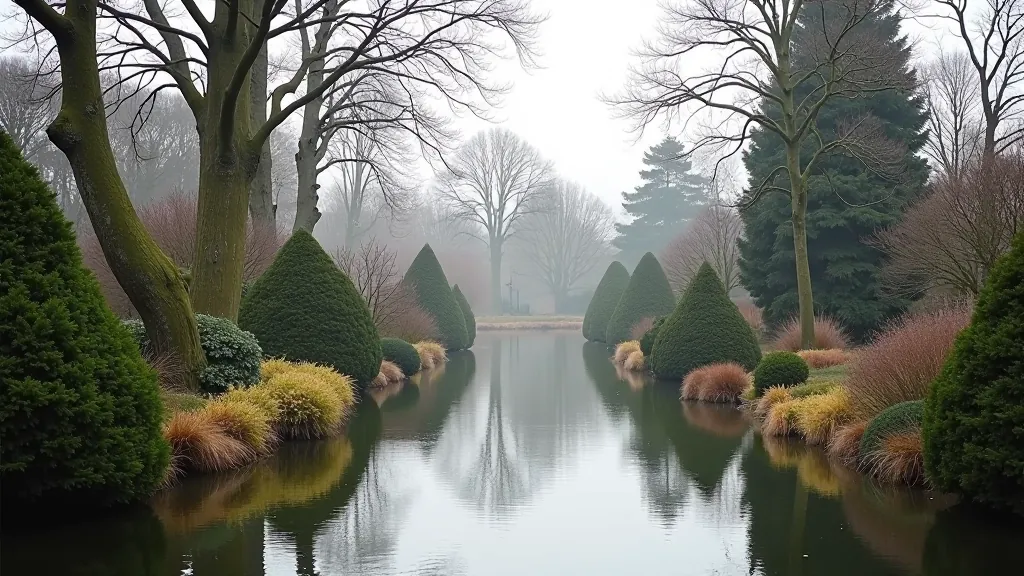
Winter at Fota is different. It's quieter—you won't see the flower shows of other seasons. But that's actually the point. With leaves gone, you get a clear view of the garden's structure and the maturity of the trees. The evergreens stand out. Hellebores bloom if conditions are right. Winter-flowering shrubs like witch hazel show up when nothing else is blooming.
December and January are genuinely mild compared to many parts of Ireland. February starts showing signs of spring bulbs pushing through. The light is low and clear, which photographers love. The Main Loop is still walkable, though sections can be muddy depending on recent rain. Bundle up—the wind picks up, and while it's not freezing, it's definitely colder than other seasons.
Mornings are coldest. Wind picks up midday. You'll want to adjust.
After rain, some paths are waterlogged. Waterproof shoes aren't optional.
Days are short. Evening walks need a headlamp or torch.
Use this breakdown to pick the season that matches what you want to see and experience.
Spring (March–May)
Magnolias, rhododendrons, cherry blossoms. This is the peak
bloom season. You'll see more color than any other time.
Summer (June–August)
Consistent, full gardens. Perennials and hydrangeas. Shade
from tree canopy makes heat manageable.
Autumn (September–November)
Foliage changes from week to week. October is peak color.
Japanese maples are stunning.
Winter (December–February)
Fewer visitors. Clear views of garden structure. Mild compared
to other regions.


Start with our detailed guides to the Main Loop and arboretum routes, or learn about other accessible walking destinations across Cork.